Community Cat Programs

Supporting community cats through compassionate, effective population management.

Not every cat is suited for life indoors. Community cats play an important role in our neighborhoods, farms, and rural areas. Through Trap-Neuter-Return (TNR), colony management, and community education, we help improve the lives of cats while reducing future overpopulation.

Donate with Venmo

What Are Community Cats?

Community cats are outdoor cats that may be feral, semi-feral, or unsocialized to people. Many live in established colonies where food and shelter are available.

While some community cats can become indoor pets, many are happiest living outdoors in familiar territory.
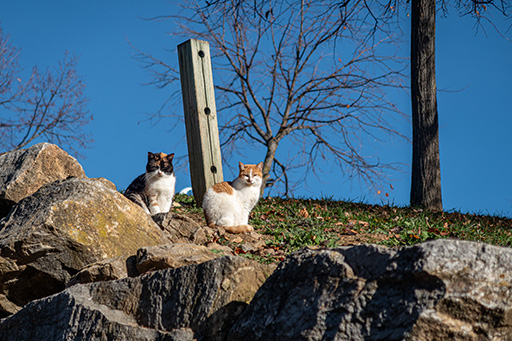
Pair of community cats

Trap-Neuter-Return (TNR)

TNR is the most humane and effective method for managing community cat populations.

Cats are humanely trapped, spayed or neutered, vaccinated, dewormed, treated for fleas, and returned to the area they call home.

This prevents future litters while improving the health and stability of the colony.

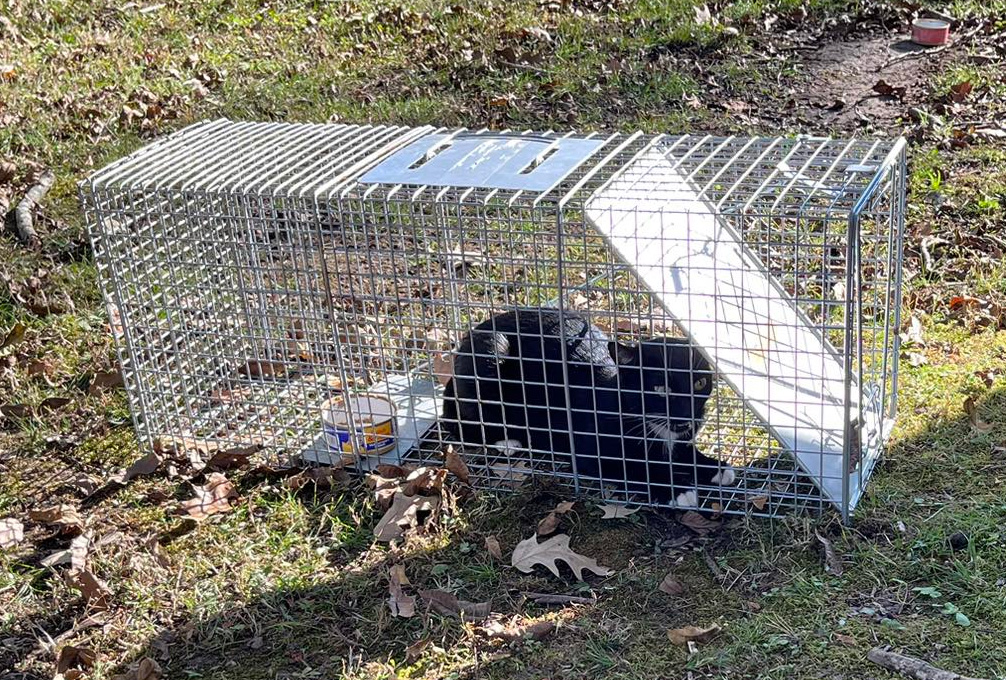
Mama cat in a trap

Colony Management

TNR is only the beginning. Responsible colony management helps ensure community cats live healthier lives and reduces conflicts with neighboring residents and businesses.

  • Monitoring colony health
  • Providing food, water and shelters
  • Identifying new arrivals
  • Arranging veterinary care when needed
  • Continuing spay/neuter efforts
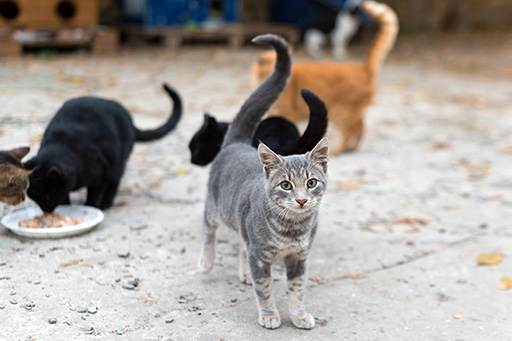
Community cats eating

When a Community Cat Wants More

Not every outdoor cat is truly feral.

During TNR efforts, we occasionally encounter cats that show signs of socialization or a desire for human companionship. When appropriate, these cats may enter foster care where they can be evaluated, socialized, and prepared for adoption.

Some of our most rewarding success stories began as community cats.

Friendly community cat

Why TNR Matters

Prevents Future Litters

Spaying and neutering prevents countless kittens from being born into difficult circumstances.

Improves Cat Health

Vaccination and sterilization reduce disease, injury, and many common health risks.

Strengthens Communities

Stable colonies help reduce nuisance behaviors and support healthier relationships between people and community cats.

How You Can Help

Community cat programs succeed when neighbors, caretakers, veterinarians, and volunteers work together.

  • Report unaltered community cats
  • Support local TNR efforts
  • Volunteer with trapping and transport
  • Donate toward spay/neuter surgeries
  • Provide temporary foster care when needed
  • Help educate others about humane population management